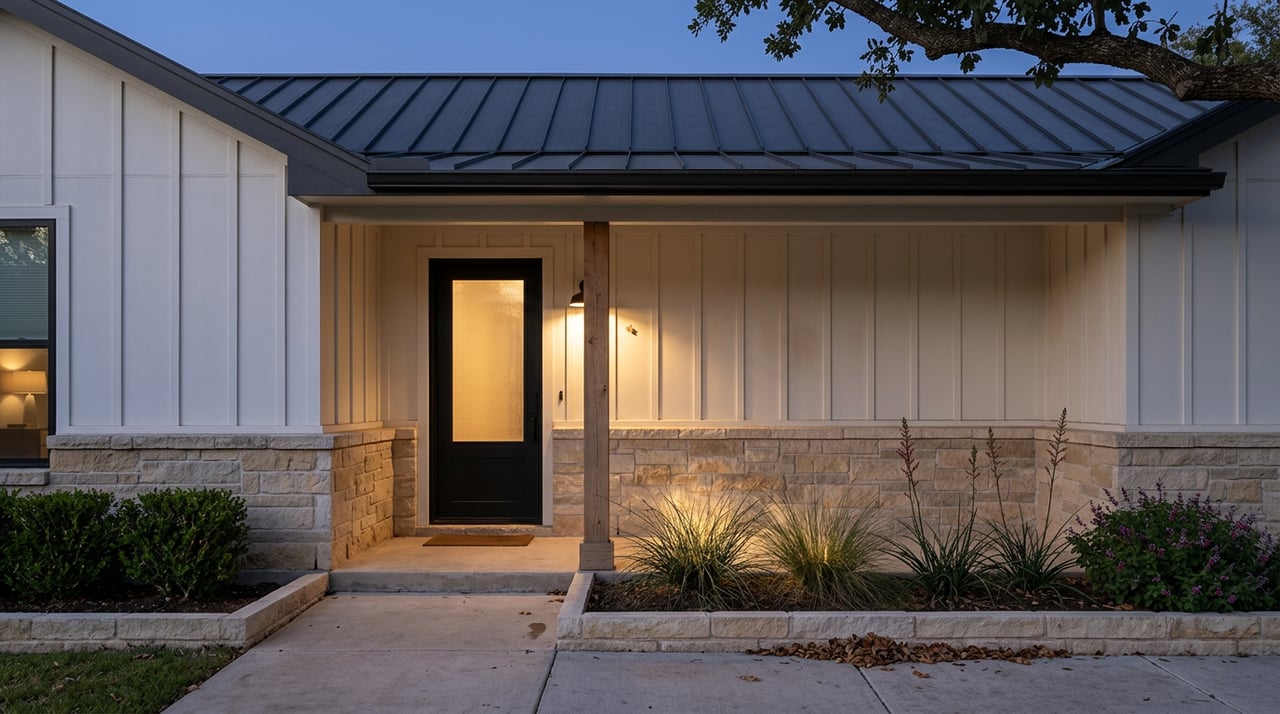
Wondering how to buy your next home in Frisco without getting stuck carrying two houses or scrambling for a place to live in between? If you are moving up, the timing can feel like the hardest part of the whole process. The good news is that with the right plan, you can line up your sale and purchase with fewer surprises and better control over deadlines, costs, and possession. Let’s walk through how it works.
Why timing matters in Frisco
For many move-up buyers, the next purchase depends on the equity in the current home. In Frisco, that matters even more because home values and monthly ownership costs are significant. The City of Frisco reports a median home value of $735,300 and median monthly owner costs of $3,491, so carrying two properties for long can get expensive fast.
Frisco also is not moving at the same speed it did in a hotter seller market. Recent reporting showed active inventory in the hundreds, days on market ranging from the mid-30s to low 70s depending on the source and time period, and sale-to-list pricing around 95% in one June 2026 market snapshot. Taken together, that points to a market where planning, pricing, and negotiation can matter more than simply expecting a fast sale.
Start with your move-up strategy
Before you look at homes, you need a clear answer to one question: Will you sell first, buy first, or try to do both at nearly the same time? Your answer shapes your contract terms, your risk level, and your backup plan.
In Frisco, most move-up buyers are balancing three things at once:
- Access to equity from the current home
- Monthly payment comfort if there is overlap
- How much uncertainty they can tolerate during the transition
A thoughtful strategy at the beginning can help you avoid rushed decisions later. This is where local market knowledge and deadline management become especially important.
Option 1: Sell first, then buy
Selling first is often the lower-risk path financially. You know how much equity you have, what your monthly budget looks like, and whether you need to move quickly on the purchase side.
The trade-off is that you may need a short-term housing solution if your purchase does not line up perfectly with your sale. In a market with more inventory and somewhat slower turnover, that trade-off can be worth it for buyers who want more certainty.
When selling first makes sense
Selling first may be a strong fit if:
- You need sale proceeds for your down payment
- You do not want to qualify while carrying two homes
- You prefer lower financial pressure during the move
- You want stronger clarity before making an offer
This path can also make your purchase offer cleaner because you are no longer waiting on your current home to sell.
Option 2: Buy first, then sell
Buying first can make sense if you have enough cash reserves, strong financing, or a temporary financing solution that works for your situation. It can also reduce the stress of finding a new home after your current one closes.
The challenge is that you may be carrying two housing payments for a period of time. In Frisco, where owner costs are meaningful, even a short overlap can affect your budget.
When buying first may work
Buying first may be worth considering if:
- You have substantial cash or accessible funds
- Your lender confirms you can qualify with overlapping obligations
- You want more control over your moving timeline
- You are comfortable with the risk of your current home taking longer to sell
If you go this route, your lender will usually look closely at your full financial picture before closing.
How a sale contingency works in Texas
If you need your current home to sell before you can close on the next one, Texas has a standard contract tool for that. The TREC Addendum for Sale of Other Property by Buyer is used when your purchase depends on the sale and closing of your current property.
This addendum can protect you if your home does not sell by the stated date. If the contingency is not satisfied or waived on time, the contract automatically terminates and earnest money is refunded under the form. It also gives the seller a way to require you to waive the contingency if the seller accepts another written offer.
What that means for you
A sale contingency can reduce risk, but it does not remove pressure. The timeline matters, and the seller may not want to wait indefinitely.
That is why this kind of offer works best when your current home is already on the market, well prepared, and priced realistically for current Frisco conditions.
The option period is different
Many buyers mix up the option period and the sale contingency, but they are not the same thing. Under TREC guidance, the termination option is negotiable, and if you pay the option fee, you can terminate during the option period for any reason.
This is typically the window for inspections, repair discussions, and early due diligence. It is separate from whether your current home sells.
Important Texas deadline rules
TREC also makes a few timing rules especially important:
- There is no automatic three-day or 72-hour cooling-off period after an offer is accepted
- Contract days are counted as calendar days starting the day after the effective date
- Earnest money is generally due by close of business on the second working day after execution, unless the contract says otherwise
For move-up buyers, these details matter because one missed date can change the whole plan.
Bridge financing and carrying two homes
Some move-up buyers consider bridge financing, sometimes called a swing loan, to buy before the current home sells. Fannie Mae treats a bridge or swing loan as an acceptable source of funds in certain cases if it is not cross-collateralized against the new property and the lender documents your ability to carry the new home, current home, bridge loan, and other obligations.
In simple terms, bridge financing can create flexibility, but it does not erase the need to qualify. You still need a lender-approved plan that shows you can handle the full payment picture.
A few practical cautions
If you are exploring bridge financing or any buy-first path, keep these points in mind:
- Ask your lender how long the temporary financing is intended to last
- Make sure you understand the monthly carrying cost during overlap
- Avoid making large purchases after submitting an offer
- Keep your financial profile as stable as possible before closing
Fannie Mae specifically advises buyers not to make large purchases after submitting an offer because lenders are sensitive to financial changes before final loan approval.
Closing dates can solve a lot
One of the most useful tools in a move-up transaction is simple date negotiation. Your proposed closing date, flexibility around that date, and possession timing can make a big difference in whether the transition feels smooth or stressful.
If your sale and purchase cannot close on the exact same day, a short overlap may still be manageable if the dates are arranged thoughtfully. Sometimes the best solution is not a major financing change. It is a better calendar.
Temporary occupancy options in Texas
When dates do not line up perfectly, Texas has standard forms for short-term occupancy. TREC’s Buyer's Temporary Residential Lease is used when the buyer occupies the property for no more than 90 days before closing. TREC’s Seller's Temporary Residential Lease is used when the seller remains in the property for no more than 90 days after closing.
These forms are designed for short transition periods, not long-term rental arrangements. They can be useful when one side needs a little more breathing room between closing and move-in or move-out.
Two common scenarios
Here is how these temporary lease options often apply:
- Buyer temporary lease: You move into the home before closing for a short period
- Seller temporary lease: The seller stays in the home after closing for a short period
Both lease forms warn that insurance coverage may change when possession is as a tenant, so insurance should be reviewed before anything is finalized.
What to do if plans change
Real estate timelines do not always stay fixed. If terms need to change after a contract is executed, TREC’s Amendment to Contract is the approved form used to change or add terms.
There is also a TREC Addendum for Back-Up Contract, which makes a second contract contingent on the termination of the first. That can matter if a seller wants a reserve buyer in place, and it can affect how much time and leverage you have when you are buying with a sale contingency.
A practical move-up plan for Frisco buyers
If you are coordinating a sale and purchase in Frisco, a solid plan usually includes both strategy and backup options. The exact order depends on your finances, your tolerance for risk, and how market-ready your current home is.
A practical approach often looks like this:
- Review your equity, cash reserves, and monthly payment comfort
- Decide whether selling first or buying first fits your risk level
- Talk with your lender early about qualification and any temporary financing options
- Prepare your current home to compete in a market with more buyer choice
- Build offer terms around realistic deadlines for sale, option period, and closing
- Plan a gap solution in case possession dates do not align perfectly
- Track every calendar date carefully once contracts are signed
Why local guidance matters
Move-up transactions are rarely just about finding the next house. They are about coordinating price, timing, financing, inspections, possession, and negotiations across two deals at once.
In Frisco, where inventory, days on market, and carrying costs can all affect your options, steady guidance can help you make cleaner decisions. A well-timed plan can protect your equity, reduce avoidable stress, and give you more confidence from listing through closing.
If you are planning a move-up purchase in Frisco, Brian S. Curry can help you map out the timing, evaluate your options, and coordinate both sides of the move with a clear, local strategy.
FAQs
How does a sale contingency work for a Frisco move-up buyer?
- In Texas, the TREC Addendum for Sale of Other Property by Buyer can make your purchase contingent on your current home selling and closing by a stated date.
What is the option period in a Texas home purchase?
- The option period is a negotiable window that lets you terminate for any reason if you paid the option fee, and it is separate from a sale contingency.
Can a Frisco buyer purchase a new home before selling the current one?
- Yes, if your finances and lender approval support it, and some buyers also explore bridge financing or other temporary funding solutions.
What if my Frisco sale and purchase closing dates do not match?
- A short-term temporary occupancy arrangement, such as a buyer or seller temporary residential lease under TREC forms, may help bridge the gap for up to 90 days.
When is earnest money due in a Texas contract?
- Under TREC guidance, earnest money is generally due by the close of business on the second working day after execution unless the contract states otherwise.
Is there a cooling-off period after an accepted home offer in Texas?
- No, TREC says there is no automatic three-day or 72-hour cooling-off period after an offer is accepted in Texas.